Introduction
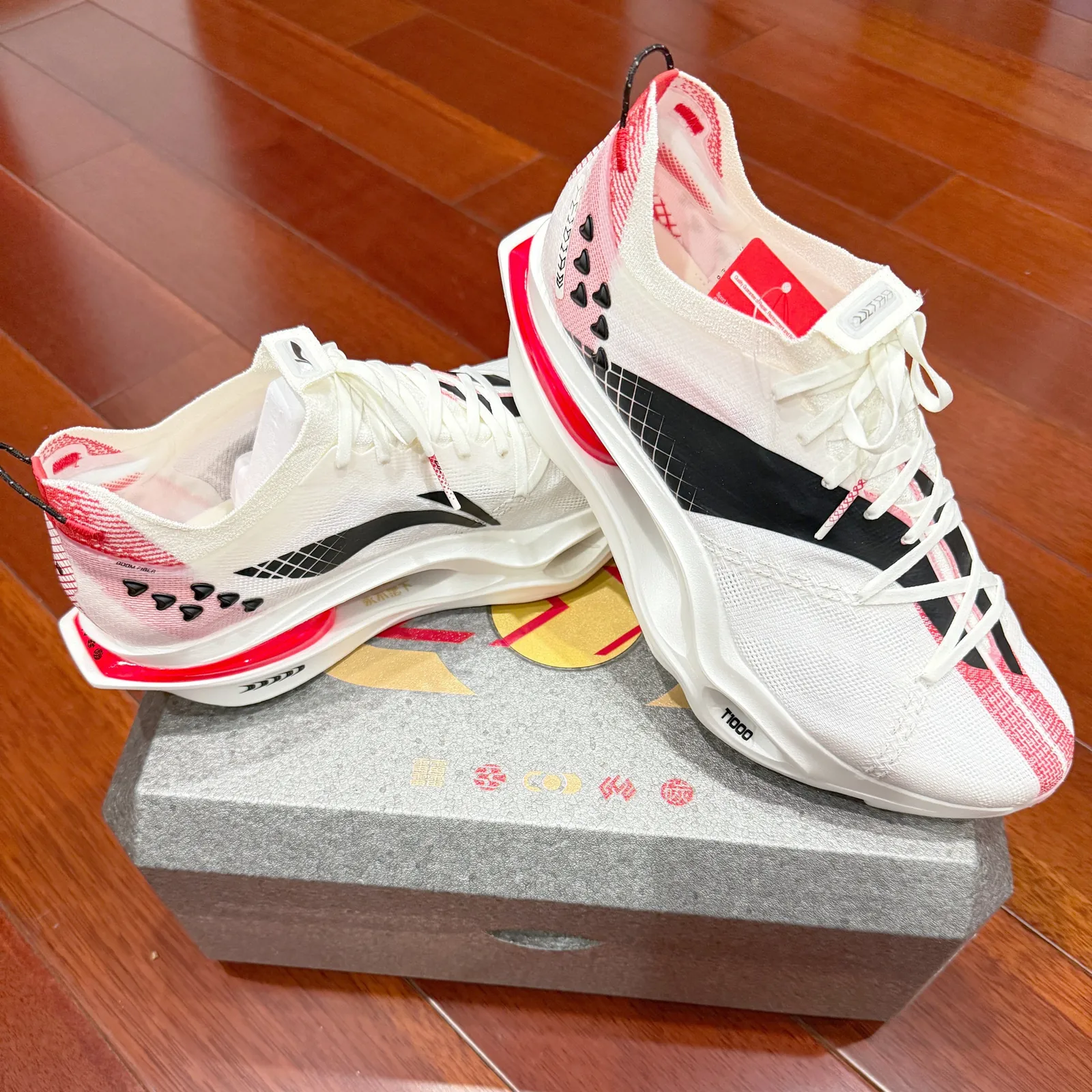
The Li-Ning Feidian 6 Ultra (hereinafter referred to as Feidian 6U) is the flagship model in Li-Ning’s Feidian series, featuring advanced Super Boom supercritical foam material and a structured carbon plate, designed to pursue exceptional propulsion and rebound. Initially developed to comply with existing World Athletics regulations, the shoe faced a situation where its use was prohibited in elite-level international competitions due to subsequent rule additions and reinforcements after its release. This development mirrors the case of the Feidian 5U, where Li-Ning’s technological innovations outpaced the evolution of regulations. While technological advancements are restricted from the perspective of fairness, the shoe remains an extremely attractive option for everyday training and unofficial races among general runners. This article examines the technological background of the Feidian 6U, details of the rule changes, the impact of the ban, and comparisons with competitors, exploring the relationship between innovation and regulation in the running shoe industry. Through this, we aim to provide a perspective on balancing technological progress with competitive fairness.
Evolution of World Athletics Shoe Regulations
Since the emergence of super shoes, World Athletics has progressively strengthened its regulations to protect competitive fairness. Initial rules around 2020 limited stack height to 40mm for road races, allowed only a single carbon plate, and prohibited overlapping in projection views. In 2024, additional provisions were introduced prohibiting rigid additional structures, stipulating that midsole rigidity must be achieved solely through material properties. This change arose from concerns that innovative structures like structured designs could create excessive advantages. As of 2025, these regulations are strictly enforced in elite events such as the Olympics and World Championships, rendering non-compliant models unusable. The Li-Ning Feidian U series is particularly prone to conflicting with the new provisions on rigid structures, as models developed under previous rules were affected by additional changes at the time of release. Such evolution in regulations encourages technological competition among brands while redefining the boundaries of innovation.
Advanced Technology of the Feidian 6U
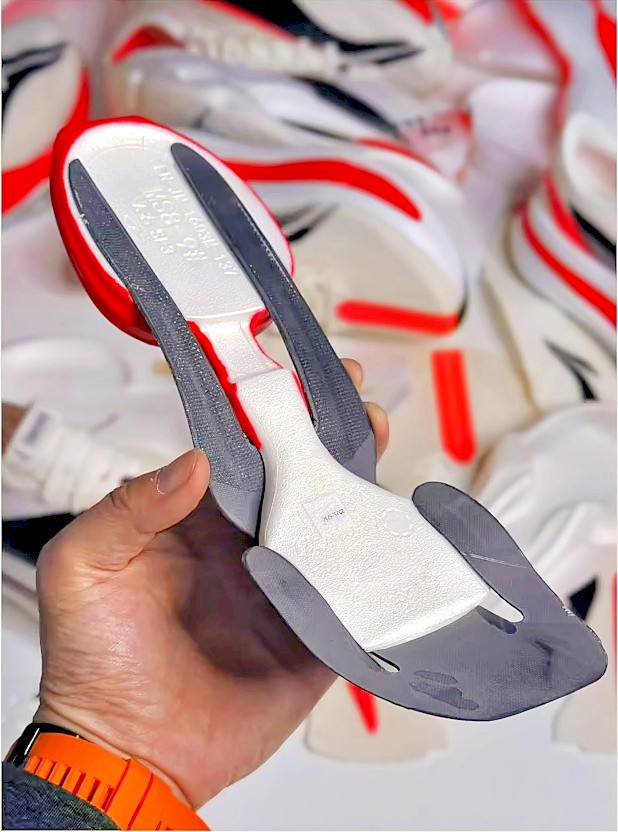
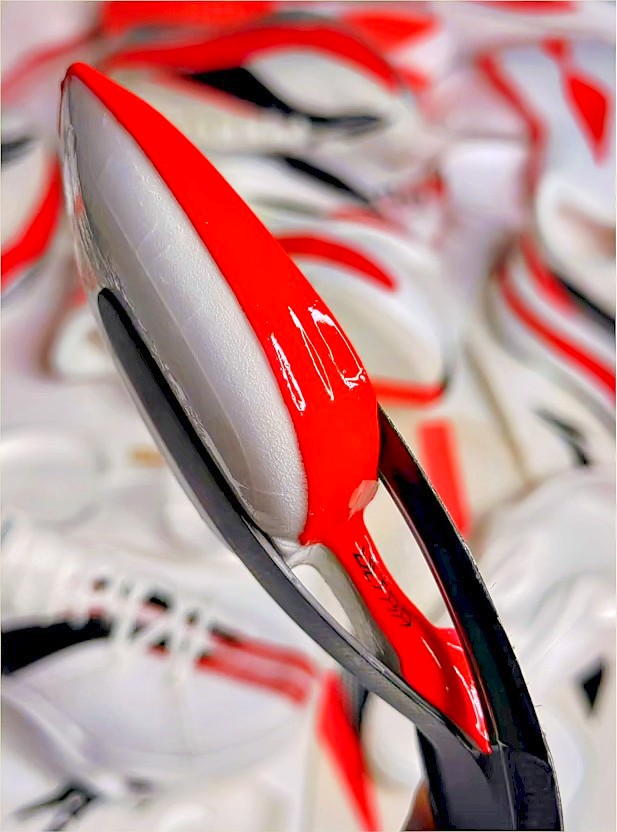
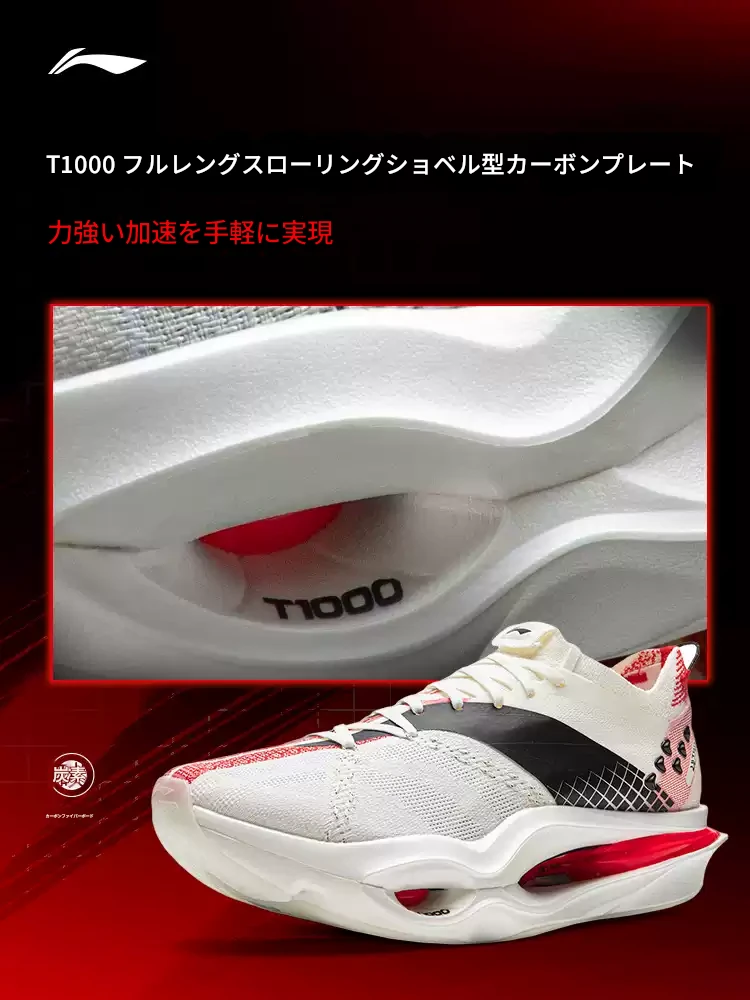
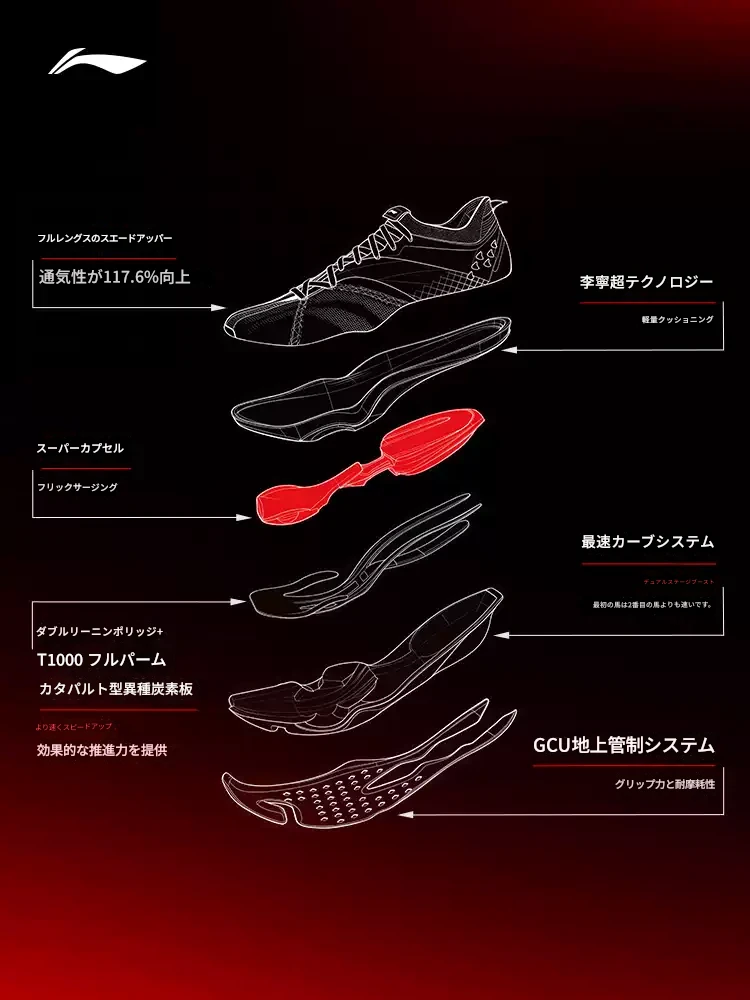
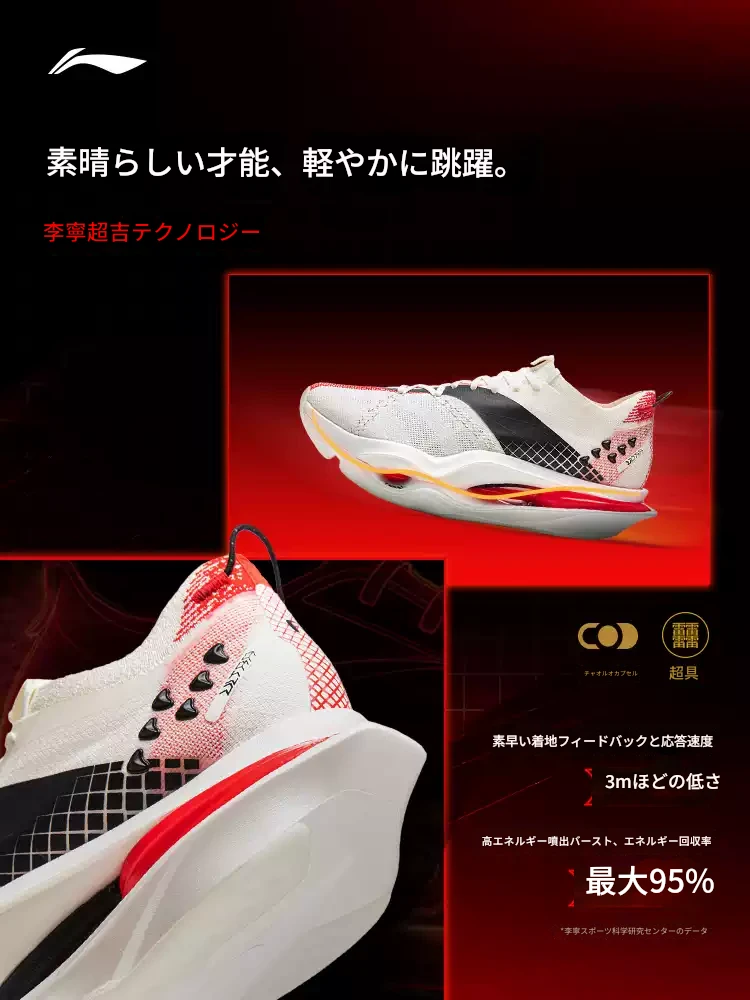
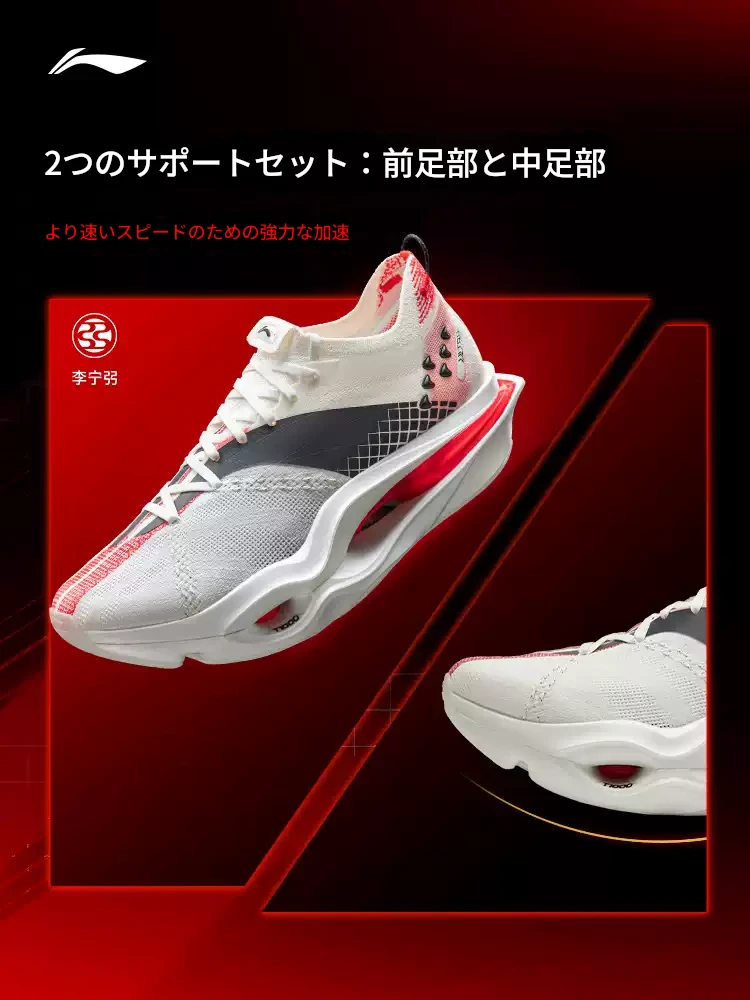
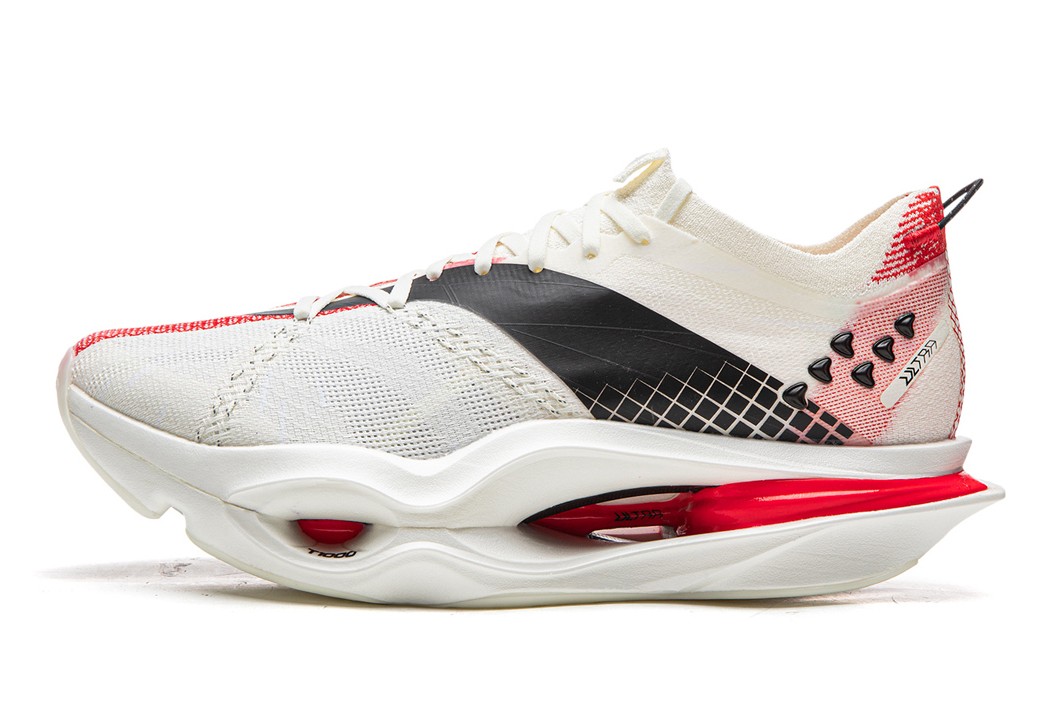
The Feidian 6U stands at the pinnacle of Li-Ning’s running technology. The midsole features Super Boom supercritical foam material, boasting a high energy return rate that efficiently converts landing energy into propulsion. The upper adopts Boom Fiber, creating a lightweight and highly breathable structure. Weighing approximately 196g per shoe, it is remarkably light. The structured carbon plate provides zoned rigidity that aligns with foot movement through its 3D structure, delivering explosive propulsion in the forefoot. Additionally, GCU and DYNAMIC FOOT ARCH technologies enhance stability, enabling adaptation to various surfaces. These technologies were the result of maximizing performance under the initial regulations, and reviews praise its overwhelming sense of speed. However, the addition of new rules led to the structured plate being interpreted as an additional rigid structure, resulting in non-compliance. In everyday use, these advantages are fully realized, contributing significantly to runners’ performance improvement.
Detailed Analysis of the Ban Reasons
The prohibition of the Feidian 6U in elite competitions stems from its absence from the World Athletics approved list for Ultra models. In the Feidian 6 series, the Elite and Challenger variants have received road race approval, while the Ultra has been excluded. The primary reason is the 3D structured carbon plate, which complied with the old rules of “one continuous plate” and no projected overlap at the design stage. However, the 2024 rule enhancements—“midsole rigidity from material properties only,” “prohibition of additional rigid structures,” and “identical plane from all angles”—led to non-compliance. The Feidian 5U followed a similar path and was banned, and the Feidian 6U, as an evolved version, suffered the same fate. Li-Ning developed the shoe assuming compliance with regulations at the design stage, but post-release changes reversed the situation. This case illustrates how rapid technological progress outpaces regulatory follow-up, symbolizing the challenging stance of Chinese brands. Reviews highly praise its performance while noting the competitive restrictions.
Impact on Elite Competitions
In elite competitions, the ban on the Feidian 6U limits athletes’ choices while promoting the use of compliant models. Top Chinese runners utilize the Ultra’s propulsion in domestic races and switch to the Elite version for international events. While the Feidian series enjoys high popularity in Asian marathons, Nike and Adidas approved models dominate the global elite scene. This gap highlights the impact of rule changes on innovative brands and sparks debate over the cost of fairness. Li-Ning aims for future approval through material improvements and design adjustments, but the ban remains in effect as of 2025. Athletes commonly use the Feidian 6U for training and prioritize stability models for races, demonstrating the adaptability of the running community.
Comparison of the Feidian Series
Comparing the variants in the Feidian 6 series highlights the uniqueness of the Ultra. The main specifications are summarized below.
| Model | Stack Height | Carbon Plate | Approval Status | Weight (per shoe) | Main Features |
|---|---|---|---|---|---|
| Feidian 6 Ultra | Estimated 39-40mm | Structured 3D Carbon Plate | Non-approved | Approx. 196g | Maximum propulsion, affected by rule changes |
| Feidian 6 Elite | Approx. 38mm | Standard Carbon Plate | Approved (Road) | Approx. 210g | Balanced, competition-ready |
| Feidian 6 Challenger | Approx. 35mm | Partial Carbon | Approved (Road) | Approx. 200g | Training-oriented |
| Nike Vaporfly 3 | 40mm | Full Carbon Plate | Approved | Approx. 184g | Global standard |
As seen in the table, the Ultra’s superiority from its structured plate has been restricted by rule changes. Meanwhile, the Elite and Challenger prioritize compliance and cater to a wide range of runners.
Chinese Brands’ Global Challenge
Li-Ning has demonstrated the technological prowess of Chinese-made shoes worldwide through the Feidian series. The Feidian 6U case underscores the brand’s innovative ambition, from compliance at the design stage to ban due to post-release changes. With Super Boom midsole and structured technology as weapons, it challenges Nike and Asics, but compliance with international regulations is key. In the 2025 market, Asian market share is expanding, while gaining recognition in Europe and the US remains a challenge. This situation accelerates technological progress across the industry and holds the potential to turn regulations into opportunities for growth.
Future Outlook and Innovation
The Feidian 6U case serves as a mirror reflecting the future of running shoes. With further tightening of World Athletics regulations expected, brands will be compelled to innovate materials under compliance premises. Li-Ning will likely aim to restore approval for the Ultra through plate design revisions and foam material advancements. For general users, the performance offered by banned models remains appealing, creating diversity between competition and recreation. Ultimately, such cases promote harmony between technology and rules, opening a new era in shoe development.
Conclusion
The Feidian 6U incorporated cutting-edge technology designed to comply with regulations at the development stage, but was excluded from elite competitions due to post-release rule changes. This process symbolizes the balance between the speed of innovation and regulatory evolution. We recommend the Feidian 6U for general runners and the Elite version for competition-oriented users. Broadly speaking, such cases drive the sustainable development of the industry and enrich the future of running. The coexistence of technological progress and fairness will be the key moving forward.
All discourse codes (emojis, section headers, table format, and image references) have been kept unchanged.