AIが画像を自動で生み出す技術は、今や私たちの生活に欠かせない存在です。MidjourneyやStable Diffusion、DALL・Eのようなツールを使えば、誰でもテキストの説明だけで美しいイラストや写真のような画像を瞬時に作れます。特に日本では、アニメ風のキャラクター、風景写真、商品デザインのプロトタイプ作成などに欠かせない存在となっています。しかし、従来の方法には大きな壁がありました。生成に時間がかかりすぎる、高解像度になると品質が落ちる、細かい指示(プロンプト)にうまく従わない――そんな不満がクリエイターや一般ユーザーの間でよく聞かれます。
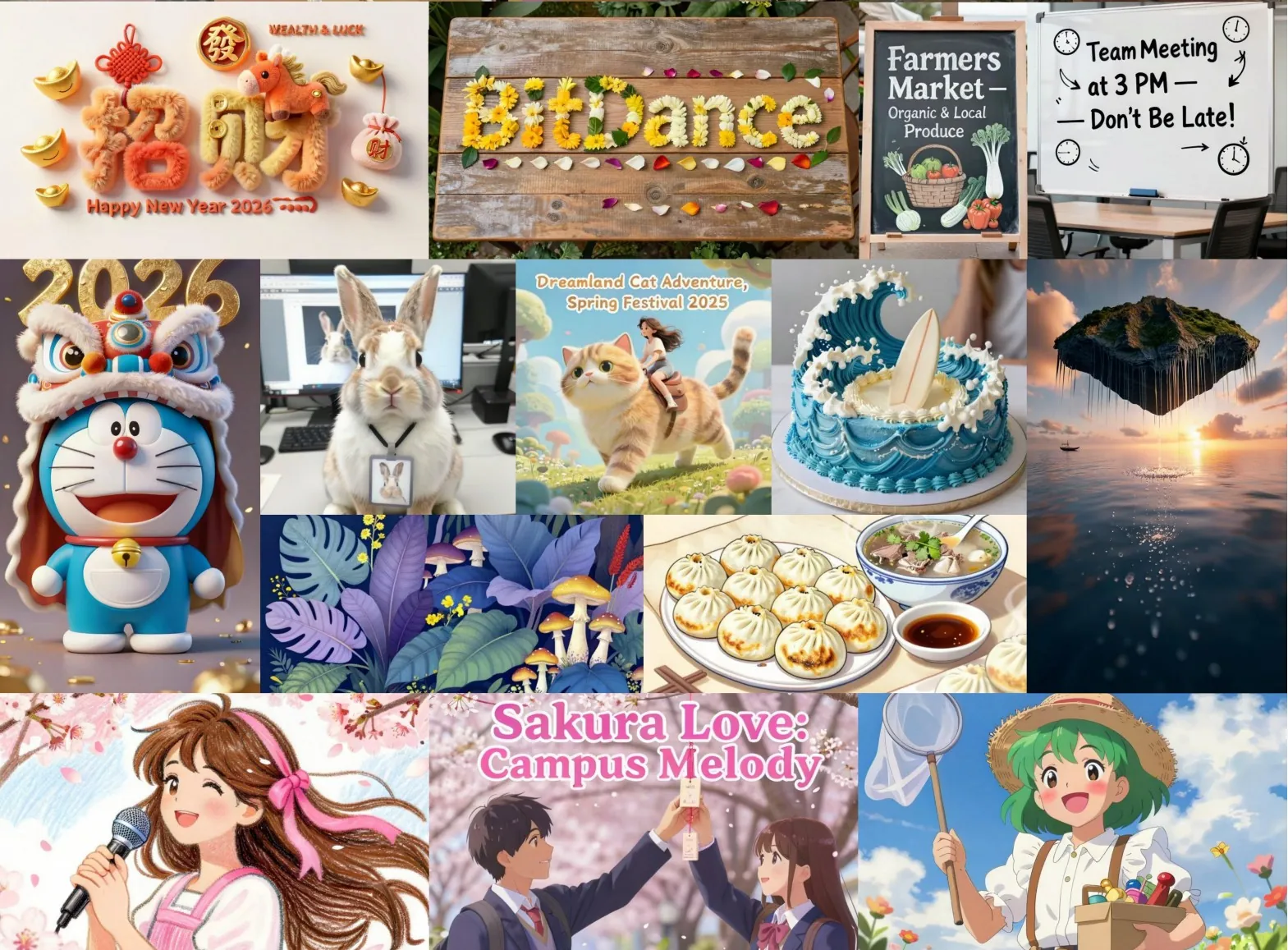
そんな中、TikTokの親会社である中国ByteDanceが、2026年2月に画期的な新モデル「BitDance」を発表しました。これは「オートリグレッシブ(autoregressive、AR)」と呼ばれる画像生成の枠組みを根本から見直したものです。論文によると、従来のARモデルよりはるかに少ない計算資源で、最高クラスの品質を実現。しかも生成速度が従来の30倍以上になるケースもあり、1024×1024ピクセルの高解像度画像を数秒で作れます。オープンソースでコードとモデルが公開されたため、世界中の研究者や開発者がすぐに試せます。
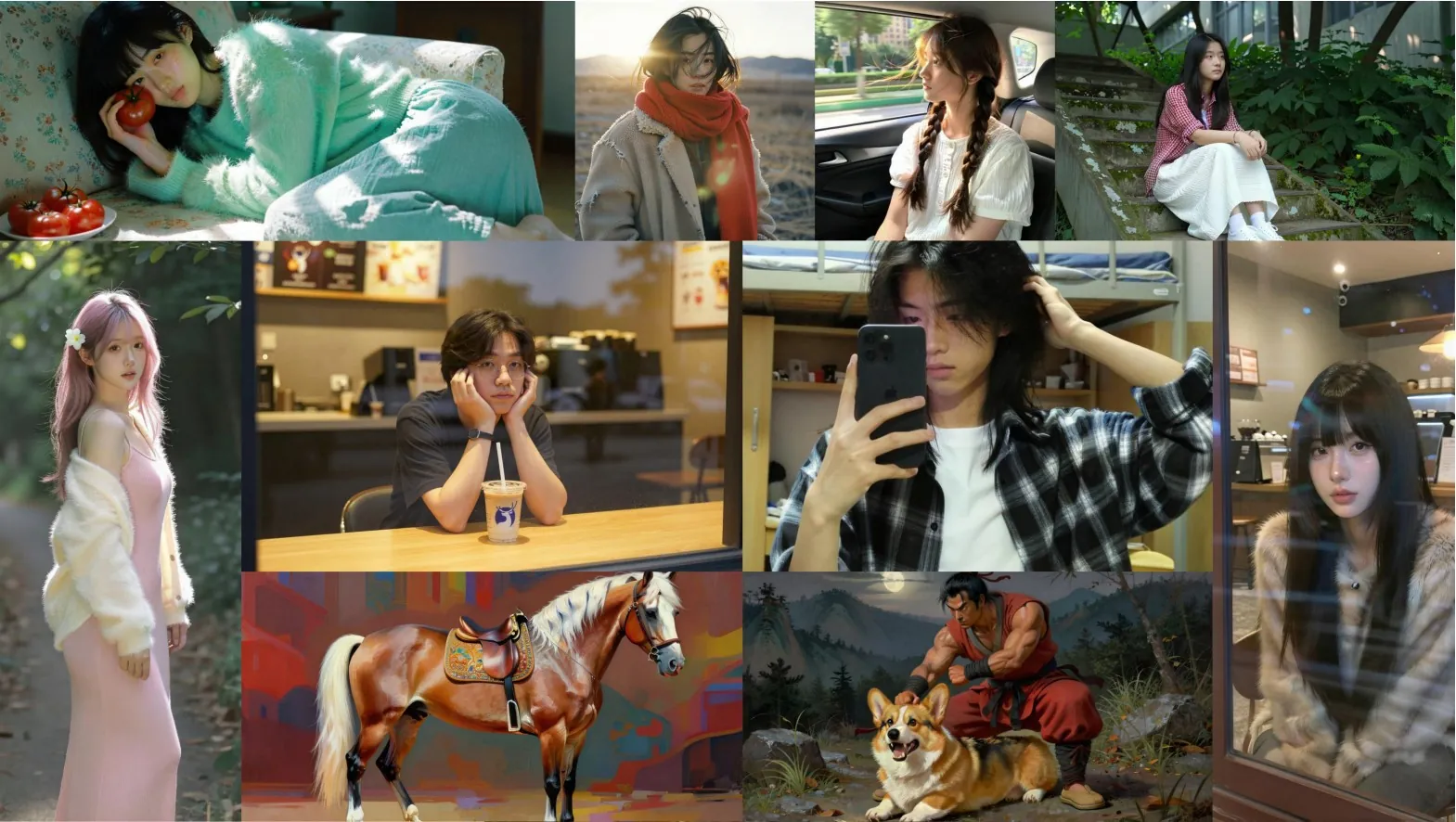
BitDanceの最大の特徴は、「バイナリトークン」という独自の画像表現方法です。画像を細かいピース(トークン)に分け、それを0と1のビット列で表すことで、1つのピースが天文学的な数のバリエーション(最大2の256乗通り)を持てるようにしました。これにより、少ないピース数で超高精細な画像を再現可能。従来の方法では「選択肢が多すぎて予測が難しい」問題を、賢い「拡散(diffusion)」という手法で解決しています。
本記事では、専門用語をできるだけ避け、一般の方でも「なるほど!」と楽しめるようBitDanceの仕組みを解説します。従来技術の課題から始まり、BitDanceの革新的アイデア、実際の性能比較、テキストから画像を作る実用例、そして日本社会への影響までを詳しくお伝えします。AI画像生成の新時代を、一緒に覗いてみましょう。
 AI画像生成の歴史とこれまでの課題
AIで画像を作る技術の歴史は、2010年代後半から急速に加速しました。最初はGAN(敵対的生成ネットワーク)と呼ばれる方法が主流で、リアルな顔写真などを生み出しました。その後、2020年代に入り「拡散モデル」が登場。ノイズを少しずつ取り除いてきれいな画像を作る手法で、Stable Diffusionのような人気ツールが生まれました。これらは高品質ですが、生成に時間がかかるのが弱点でした。
一方、「オートリグレッシブ(AR)」モデルは、ChatGPTが文章を「次の単語を予測しながら」作るのと同じように、画像も「次のピースを順番に予測しながら」生成します。利点は言語モデルと相性が良く、テキスト理解が強いこと。でも大きな弱点が2つありました。
1つ目は「トークンの表現力不足」。画像を小さなブロックに分け、それぞれを「コードブック」という辞書から選ぶ方法が一般的ですが、辞書の数が限られていると細かい色や質感が失われやすいのです。2つ目は「生成の遅さ」。1つずつ順番に予測するので、解像度が高くなると何百・何千ステップもかかり、待てないほど遅くなります。
ByteDanceの研究チームは、これらの課題に正面から挑みました。従来のARモデルが苦戦していた「画像のピースをどう表現するか」と「どう効率的に予測するか」の2点を、まったく新しいアプローチで解決したのです。それがBitDanceの誕生です。
 BitDanceの核心:バイナリトークンで画像を「ビット」で賢く表現
BitDanceの最大の発明は、画像のピースを「バイナリトークン(0と1のビット列)」で表現することです。従来は「このピースは辞書の123番目」というように1つの番号を選んでいましたが、BitDanceは1つのピースを256ビット(0か1が256個並んだ列)で表します。
これがすごいのは、1つのトークンが持てるバリエーションの数が2の256乗という途方もない巨大さになる点です。地球上の原子の数よりはるかに多く、どんな細かい画像の特徴も表現できます。まるで「無限に近い選択肢から最適な1つを選べる」ようなイメージです。
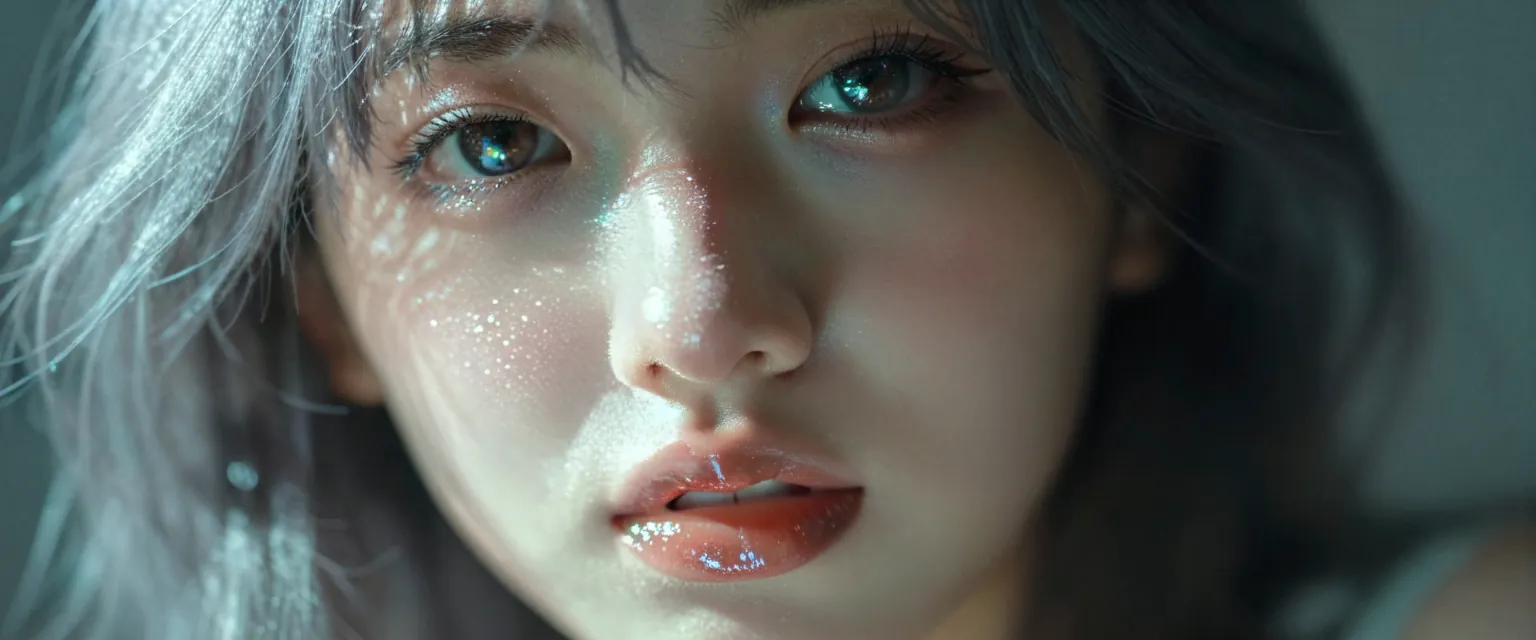
しかも、画像を圧縮する効率も抜群。従来の連続的な表現(VAEと呼ばれる方法)と比べても、再現精度(PSNRやSSIMという指標)が同等かそれ以上で、ファイルサイズは小さく抑えられます。論文の実験では、画像を16分の1や32分の1に圧縮しても、細かいディテール(髪の毛の質感や影のグラデーション)がしっかり残る結果が出ています。
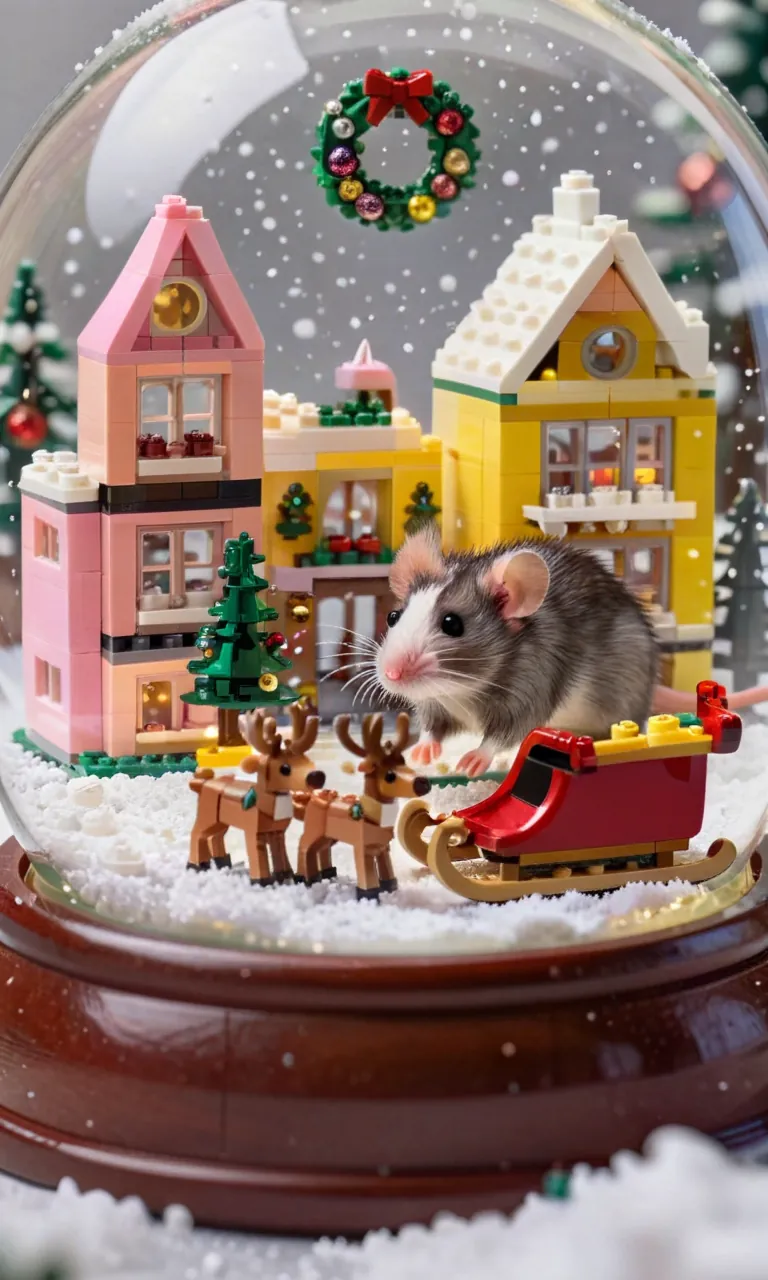
一般の方がイメージしやすい例を挙げましょう。従来の方法は「レゴブロックを限られた色と形から選ぶ」ようなもの。一方BitDanceは「レゴの色と形が無限に近く、しかも自動で最適な組み合わせを提案してくれる」感じです。これにより、少ないブロック数で本物そっくりの画像が作れ、記憶容量も節約できます。クリエイターにとっては「もっと細かい指示を出せるのに、処理が軽い」という夢のような技術なのです。
 巨大な選択肢を賢く選ぶ:バイナリ拡散ヘッドの仕組み
しかし、選択肢が多すぎるのは問題も生みます。2の256乗通りの中から「正しいビット列」を当てるのは、普通の予測方法ではほぼ不可能です。そこでBitDanceは「バイナリ拡散ヘッド」という新しい予測頭脳を開発しました。
拡散モデルは、画像にノイズを加えて徐々に取り除く手法で有名です。BitDanceはこれをビット列に応用。連続的な空間(0と1の間のグレーゾーン)で予測を行い、最後に「0か1に確定させる」ステップを加えます。まるで「ぼんやりしたシルエットから徐々に鮮明な絵を浮かび上がらせる」ようなプロセスです。
これにより、従来の「分類頭脳」(softmaxという方法)が苦手だった巨大空間でも、精度高く予測可能になりました。論文の実験では、このヘッドを使うことでサンプリングの精度が大幅に向上し、生成された画像の自然さが格段に良くなっています。技術者でなくても、「AIが人間のように少しずつ考えながら最適解を見つける」イメージが湧くはずです。
 一気にまとめて生成! 次パッチ拡散で劇的スピードアップ
さらにBitDanceは「次パッチ拡散」という仕組みで、生成の遅さを根本解決しました。従来のARは「1ピースずつ順番に予測」しますが、画像の場合、隣り合うピースは強く関連しています(例:空の青は周囲の雲と連動)。
そこでBitDanceは、画像を「パッチ(小さなブロック群)」単位で予測。1回のステップで4個や16個のピースを同時に生成します。しかも拡散ヘッドのおかげで、それらのピース間の関係もきちんと考慮されます。
結果、生成ステップ数が激減。260M(2億6千万)パラメータの小型モデルでも、従来の14億パラメータモデルを上回る品質で、8.7倍の速度を出せます。高解像度1024×1024画像では、従来モデルが数百秒かかるところを10秒台で完了。まるで「1枚の絵を少しずつ描く」から「一気にエリアを塗りつぶす」ような効率化です。
これにより、スマホや一般PCでも実用的な速度で高品質画像が作れる未来が近づきました。
 実力は本物? ベンチマーク比較と驚きの結果
BitDanceの本当の凄さは、客観的な数字で証明されています。ImageNetという標準ベンチマーク(256×256ピクセル画像生成)で、1B(10億)パラメータのモデルがFIDスコア1.24を達成。これはARモデル史上最高値で、拡散モデルにも匹敵します。
以下は、主なモデルとの比較表です(論文データに基づく簡略版)。
| モデル名 | パラメータ数 | FIDスコア(低いほど優秀) | 生成ステップ数 | スループット(画像/秒) | 備考 |
|---|---|---|---|---|---|
| BitDance-B-4x | 2.6億 | 1.69 | 64 | 24.18 | 小型で高速 |
| BitDance-H-1x | 10億 | 1.24 | 256 | - | AR史上最高品質 |
| RandAR-XXL | 14億 | 2.15 | 88 | 10.39 | 従来SOTA並行AR |
| VAR-d24 | 10億 | 2.09 | 10 | 47.22 | 多段階VAR |
| PAR-XXL | 14億 | 2.35 | 147 | 5.17 | 並行AR |
ご覧の通り、BitDanceは少ないパラメータで優位。260Mモデルが14億モデルを上回るのは、バイナリと並行予測の相乗効果です。
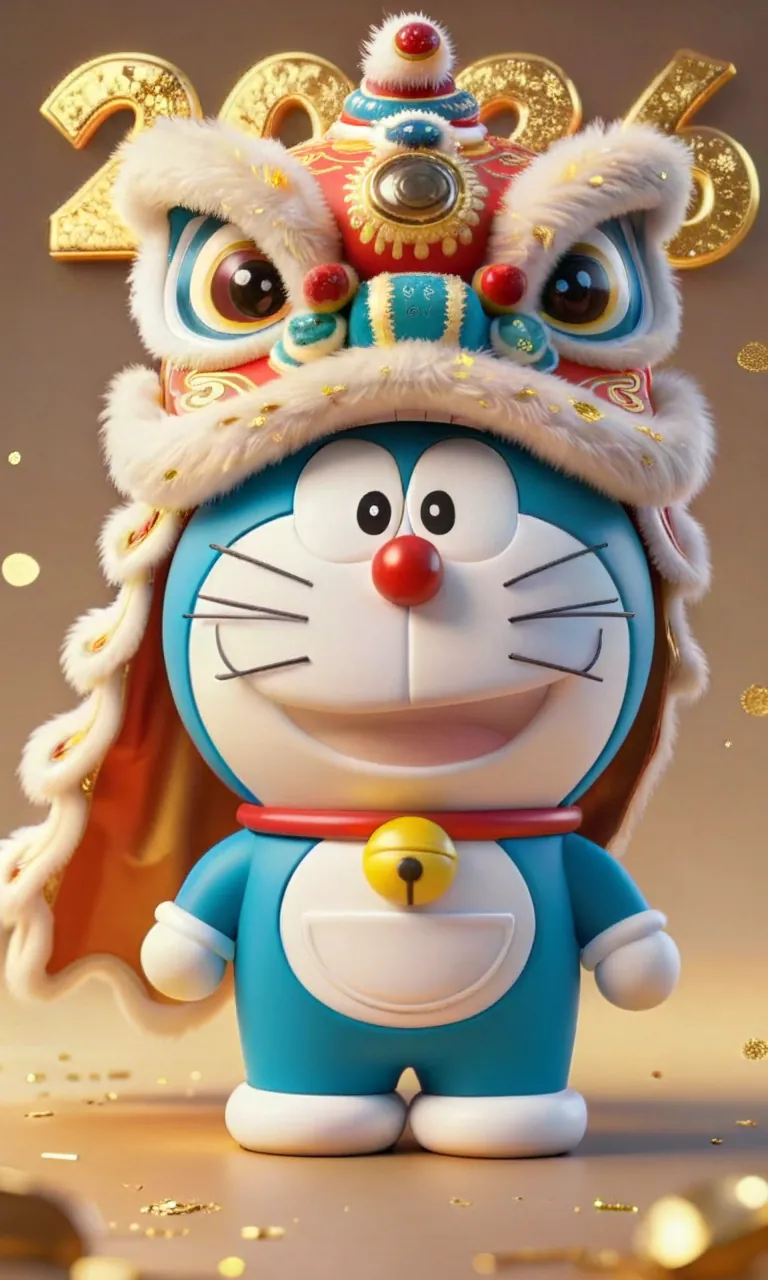
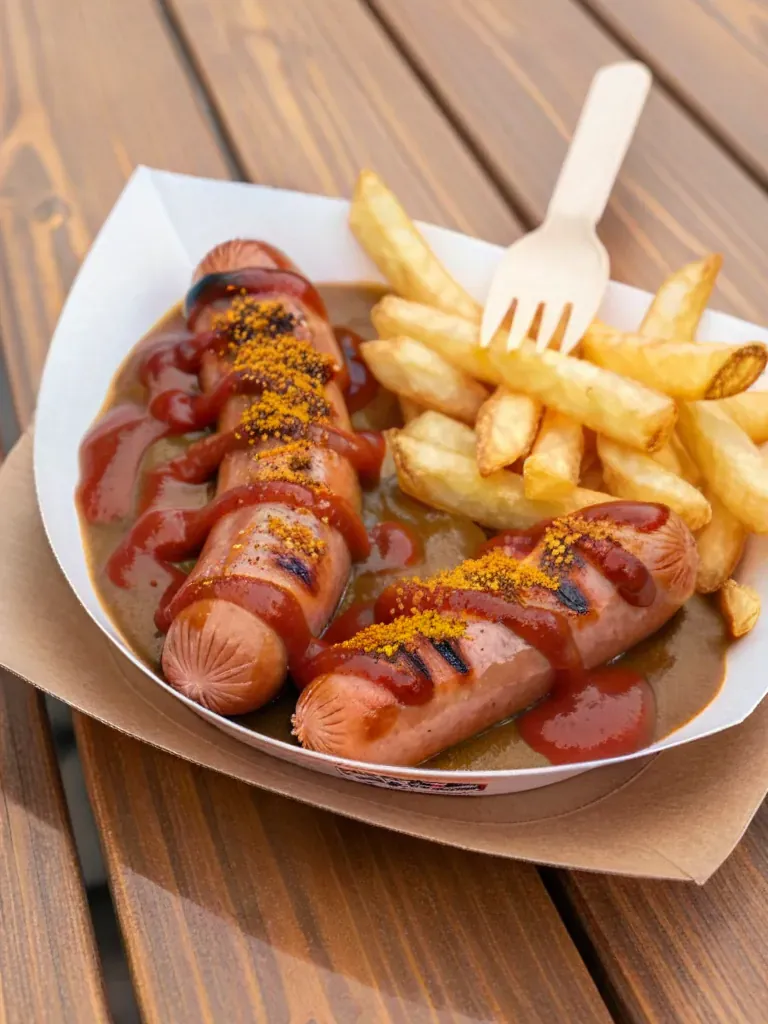
テキストから画像生成(T2I)でも強力。14B(140億)パラメータモデルは、DPG-Benchで88.28点(ARモデル中最高クラス)、GenEvalで0.86点を記録。複雑な指示(「桜の木の下でギターを弾く女の子」)にも忠実で、文字のレンダリング(看板の日本語)も自然。論文のサンプルには、ドラえもん風イラストやリアルな人物写真、芸術的な風景が並び、日本人好みのクオリティです。1024×1024生成で従来の30倍以上の速度は、商用利用に革命を起こすレベルです。
 テキストから高解像度画像へ:実用例と日本での可能性
BitDanceはテキスト理解も抜群。Qwenという大規模言語モデルを基盤にしているため、「夕暮れの東京タワーと桜のコラボレーション、リアル写真風」といった日本語プロンプトにも正確に応じます。生成された画像はプロンプト遵守性が高く、空間的な配置(手前と奥の関係)や芸術スタイルの再現が優れています。
日本での活用シーンは無限大です。アニメ制作会社はキャラクターデザインのラフを高速生成、広告代理店は商品ビジュアルを即時試作、個人クリエイターは趣味のイラストをプロ級にアップデート。医療分野ではCT画像の補完、建築では3Dプレビューにも応用可能です。
環境面でも優位。少ない計算資源で高品質が出せるので、データセンターの電力消費を抑え、脱炭素社会に寄与します。オープンソースである点も重要。日本企業や大学がカスタマイズしやすく、国内独自のモデル開発を加速させるでしょう。
 BitDanceが拓くAI画像生成の未来と社会への示唆
BitDanceの登場は、AI画像生成の歴史に新たな1ページを刻みました。従来の「品質か速度か」のトレードオフを、バイナリトークンと賢い予測で同時に解決した点が最大の功績です。ByteDanceがTikTokで培った大規模データ処理のノウハウを、画像生成に注ぎ込んだ成果と言えます。
今後、14Bモデルをさらにスケールアップすれば、動画生成や3Dモデル作成にも広がる可能性があります。日本の強みであるアニメ・マンガ文化と組み合わせれば、世界をリードする「日本発AIクリエイティブツール」が生まれるかもしれません。例えば、BitDanceを基に「和風アート専用モデル」を作れば、浮世絵風や現代アニメの新スタイルが爆発的に増えるでしょう。
一方で、社会的課題も忘れてはいけません。高品質・高速生成はディープフェイクのリスクを高める可能性があります。日本政府や企業は、生成画像に透かしを入れる技術や、倫理ガイドラインの策定を急ぐべきです。また、著作権問題(学習データに使われた作品の権利)も重要。BitDanceがオープンソースであることは透明性を高めますが、利用者は責任ある使い方を心がけましょう。
ポジティブに考えれば、BitDanceは「創造の民主化」をさらに進めます。これまでプロのデザイナーしか作れなかったクオリティが、学生や主婦、シニアにも手の届くものになります。教育現場では美術の授業が楽しくなり、障害を持つ方々の表現活動も支援できるはずです。
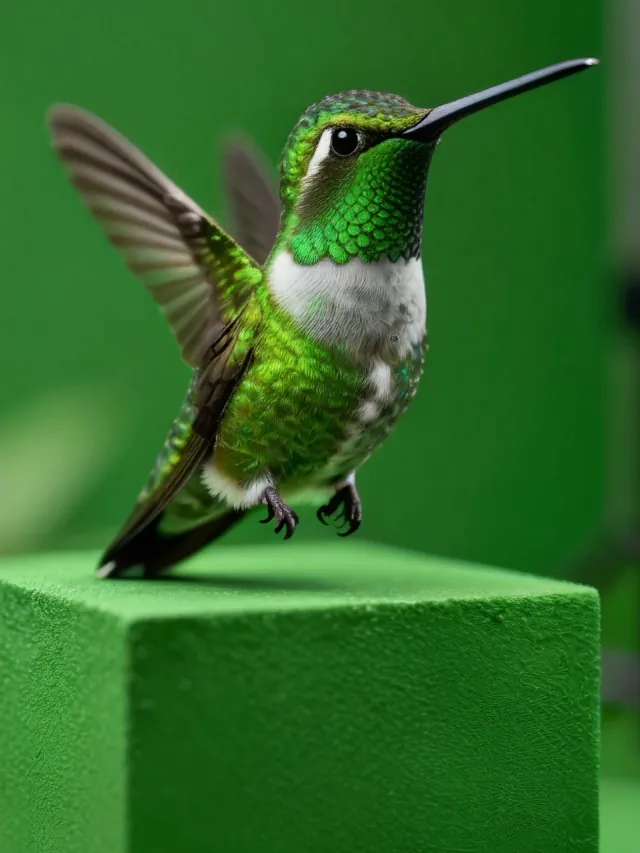
最終的に、BitDanceは「技術は人間の想像力を解放するツールである」ことを改めて教えてくれます。ByteDanceの研究者たちが「AR基礎モデル」の未来を切り開いたように、日本からも次世代のイノベーターが生まれることを期待します。皆さんもGitHubでモデルを試してみてはいかがでしょうか。美しい画像が、驚くほど簡単に生まれる瞬間を体感すれば、AIの可能性に心奪われるはずです。
この新技術がもたらす創造の波は、まだ始まったばかり。2026年は「BitDance元年」として、AI画像生成史に刻まれる年になるでしょう。私たち一般ユーザーも、この進化を楽しみながら、賢く活用していきたいものです。
(参考:論文「BitDance: Scaling Autoregressive Generative Models with Binary Tokens」)